System Status Snapshot Cpu Ram Disk Ports
Build a minimal Docker-based lab and run secquick.sh to capture a fast system snapshot (CPU/RAM/disk/ports/processes) without clutter.
Build a minimal Docker-based lab and run secquick.sh to capture a fast system snapshot (CPU/RAM/disk/ports/processes) without clutter.
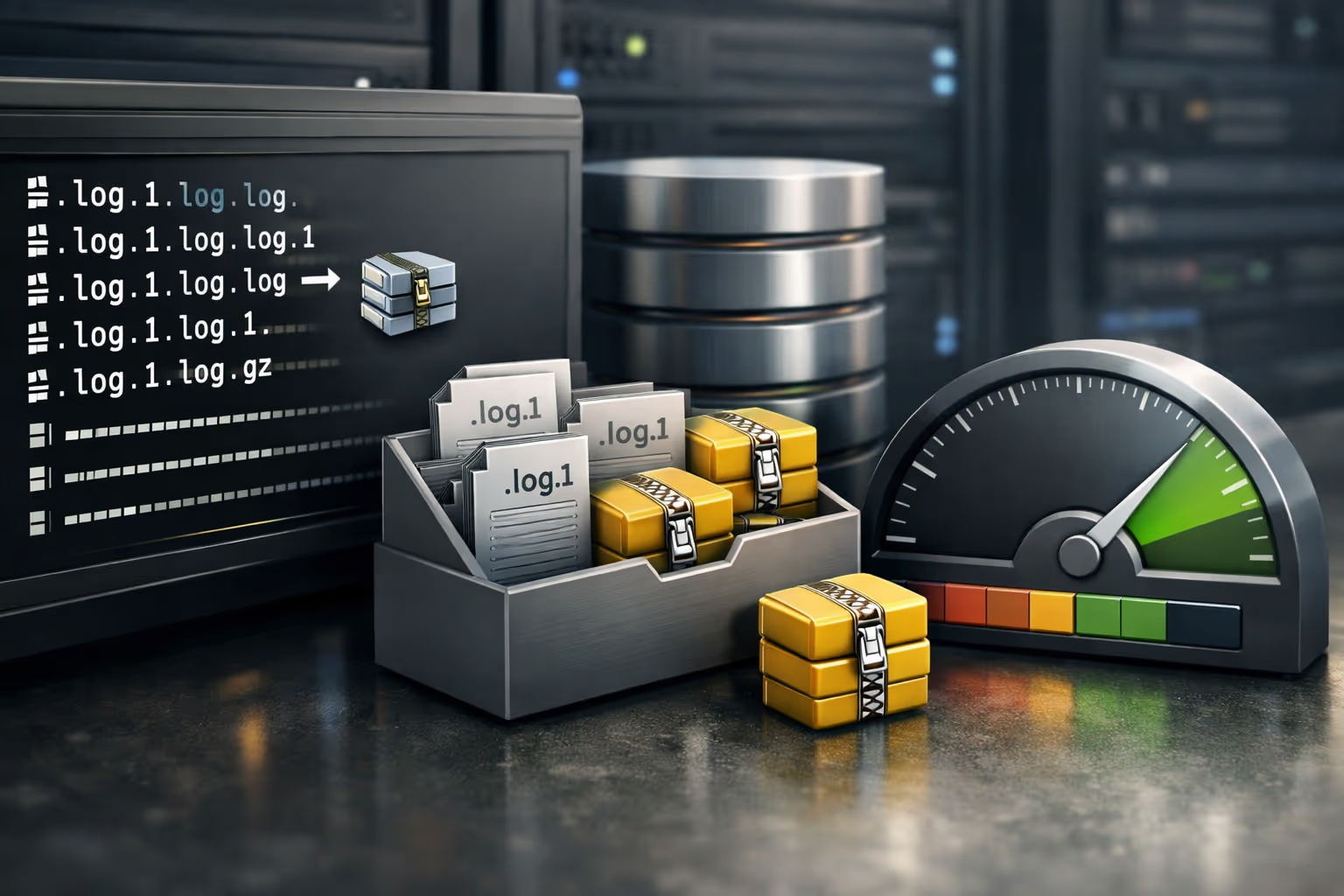
Featured snippet answer Linux logrotate prevents disk full outages by automatically rotating, compressing, and deleting old log files on a schedule. The safe approach is to rotate frequently enough to match log volume, compress archives, keep a defined retention window, and reload services correctly so they keep writing to the new file. This keeps storage predictable without destroying forensic value. The problem: logs grow until they break your server I broke this once by ignoring “small” log growth on a quiet VM, and it ended the same way it always does: the disk hit 100% and everything became weird. Package managers failed, services stopped writing state, and even SSH logins started timing out. ...
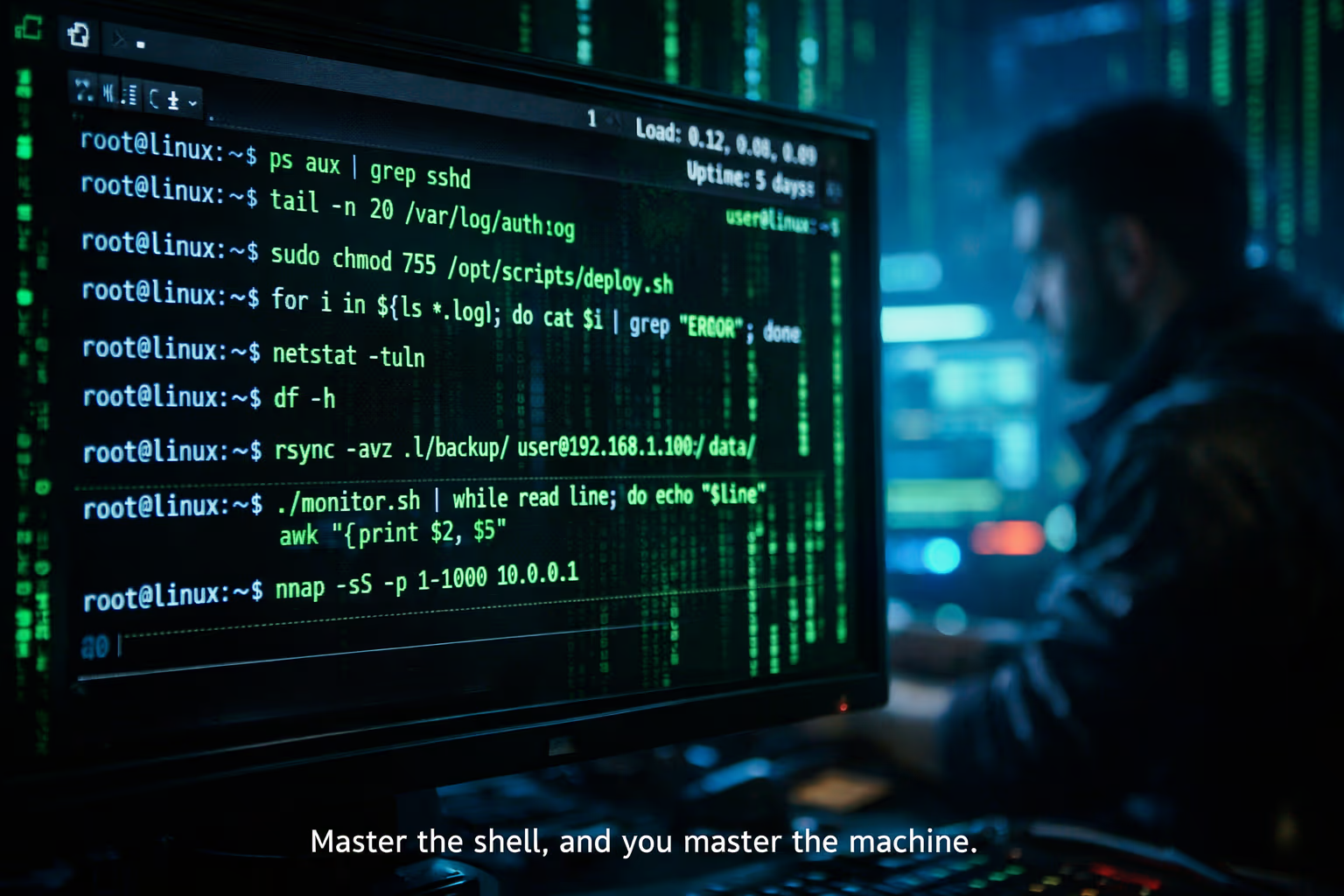
Stop memorizing syntax. Start building a workflow that works for you, not against you. Last Updated: 2025-12-17 — Validator: OrionInsist I remember the exact moment I realized I was doing it wrong. I was staring at a GUI file manager, waiting for it to load a folder with 100,000 log files. My CPU fan was screaming. My cursor was frozen. It was embarrassing. I wasn’t an engineer; I was a spectator waiting for my computer to finish thinking. ...
Stop clicking. Start controlling. The quiet shift from “user” to “admin” happens here. Last Updated: 2025-12-16 — Validator: OrionInsist I used to be afraid of the black screen. I remember staring at the blinking cursor, feeling the weight of my own incompetence. My mouse was my safety blanket. If I couldn’t right-click it, I didn’t touch it. But dragging files across windows and hunting for “Settings” menus wasn’t just slow—it was exhausting. I was working for the computer, not the other way around. ...

A guide to mastering Linux navigation using relative paths, the ‘cd -’ shortcut, and minimizing keystrokes.
A manifesto on why the Command Line Interface (CLI) beats the Graphical User Interface (GUI) for serious technical work.